Sweet • Sour • Savory

Food blog on scandinavian style food done right.

Cake

Kanelstænger - Cinnamon Danish

Breakfast, Brunch, CakeTove Balle-Pedersen6 Comments
Kanelstænger - Cinnamon Danish

Kanelstænger - Cinnamon Danish

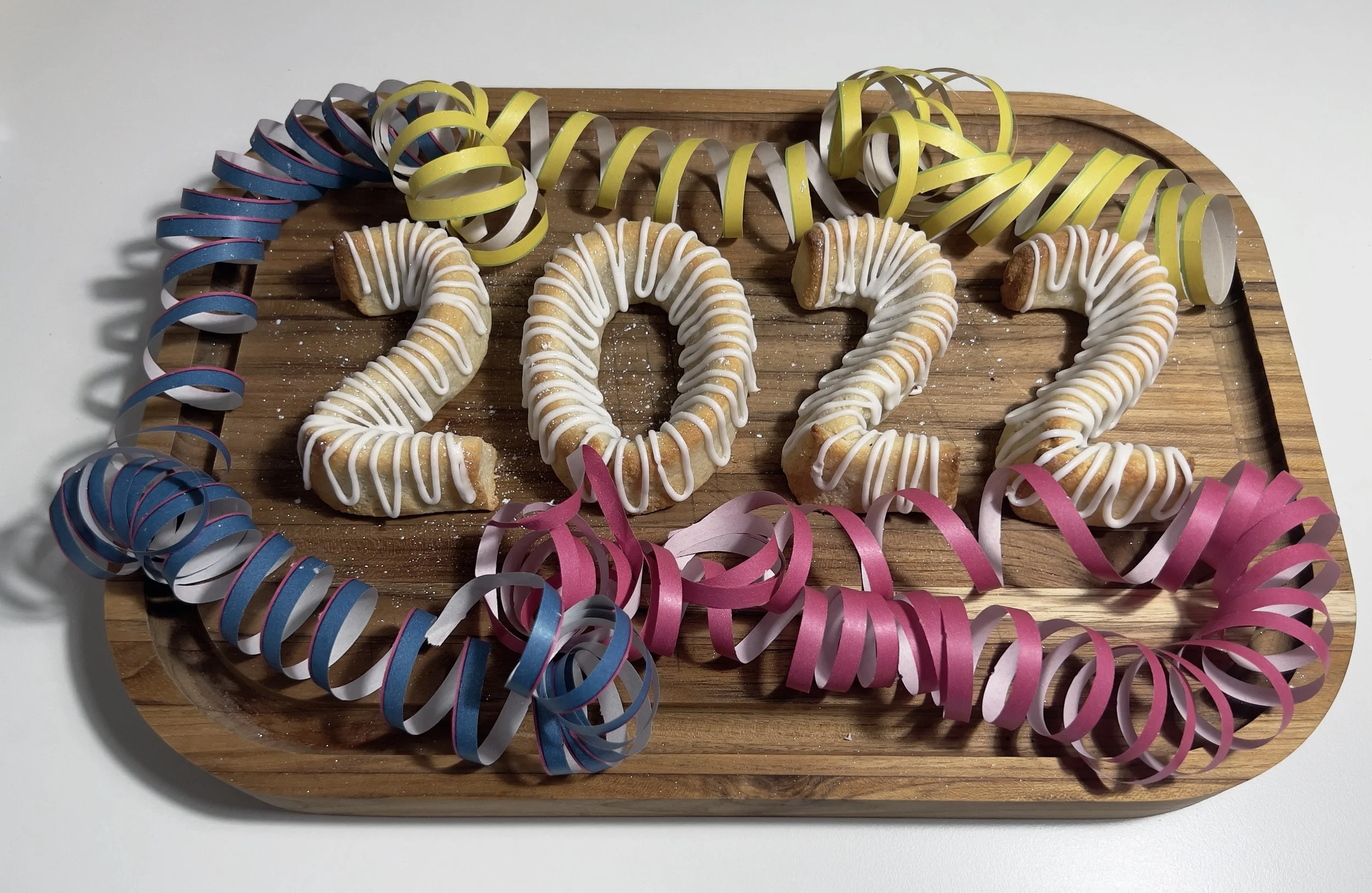
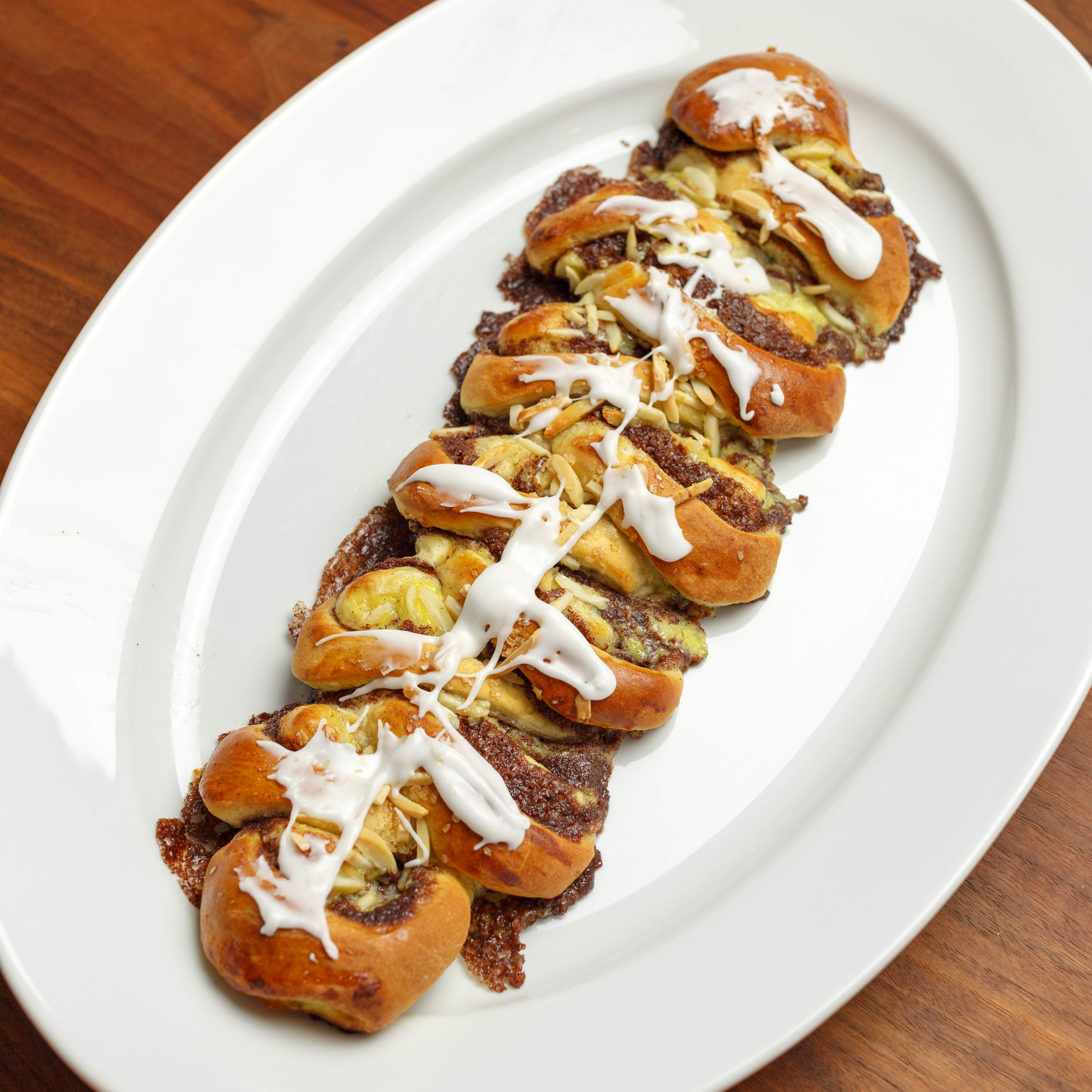
Kanelstænger, or Cinnamon danish, is one of the more common pastries in Denmark. They are kinda like a large cinnamon roll cut up. Compared with real pastry, where you roll layers of butter into a dough, this recipe is really easy to make. The worst part is the custard, and when you have made that a few times, its easy too.

Ingredients:

Custard:

  • 3 Egg Yolks
  • 3 tablespoons Sugar
  • 2 tablespoon Cornstarch
  • 5 dl (2 cups) Milk
  • 1 teaspoon Vanilla Paste

Dough:

  • 40 g live yeast or 3½ teaspoons dry yeast
  • 1¾ dl (¾ cup) water
  • 35 g sugar
  • 4 g salt
  • 4 g cardamom
  • 1 egg
  • 35 g butter, salted & room temperature 
  • 400 g all-purpose flour

Remonce:

  • 200 g butter, salted & room temperature 
  • 200 g sugar
  • 35 g cinnamon

Directions:

Custard:

Beat the egg yolks and sugar until pale in color. Whisk in the cornstarch and vanilla paste.

Heat the milk to a slow boil, set aside. 

While whisking vigorously drizzle the warm milk into the egg yolk mixture, just a tiny bit at a time at first. Once you’ve added about ¼ of the milk, you can add the rest in a thin stream, whisking constantly.

Pour the mixture back in the saucepan and reheat it over medium heat. Whisk constantly until it thickens. Remove from heat an chill the custard in a bowl in the refrigerator. Sprinkle with sugar or press a film of plastic wrap against custard so it doesn’t form a pudding skin.

Remonce:

Mix the ingredients to a brown paste, set aside.

Dough:

Dissolve the yeast in the finger-warm water, add the sugar and let it sit for a few minutes. Add the egg. Mix flour salt, cardamom and pour it into the yeast-mixture with the butter. Knead the dough until it's elastic and shinny. Let the dough rest in a bowl covered with a tea towel for about 30 minutes.

Divide the dough into 3 pieces, and roll them to 15x25 cm (6x8 inch) rectangles.

Spread ⅓ of the remonce on the dough, leave a little piece along the long side clear.  Put ⅓ of the custard in a line on top of the remonce covered long side. Fold the dough over the custard and roll the rest like you would a cinnamon roll. Place the roll on a parchment lined baking sheet. 

Using a scissor cut slits at an angle almost all the way through with 2 cm (¾ inch) apart. Flip the dough pieces to the side. The first right the other left, alternating all the way to the end.

Repeat with the last two pieces of dough.

Let the pastry sit to rise for about 45 minutes. Brush with egg-wash and sprinkle with chopped almonds and raw sugar. Bake for about 15-18 minutes at 400℉ (210℃).

If you want to freeze some of the kanelstænger, do that after making the slits in the dough, and freeze them on a baking sheet and wrap them in when frozen.

Source: Lagkagehuset.


Braided Nutella Bread

Bread, CakeTove Balle-Pedersen14 Comments
Braided Nutella Bread

Braided Nutella Bread

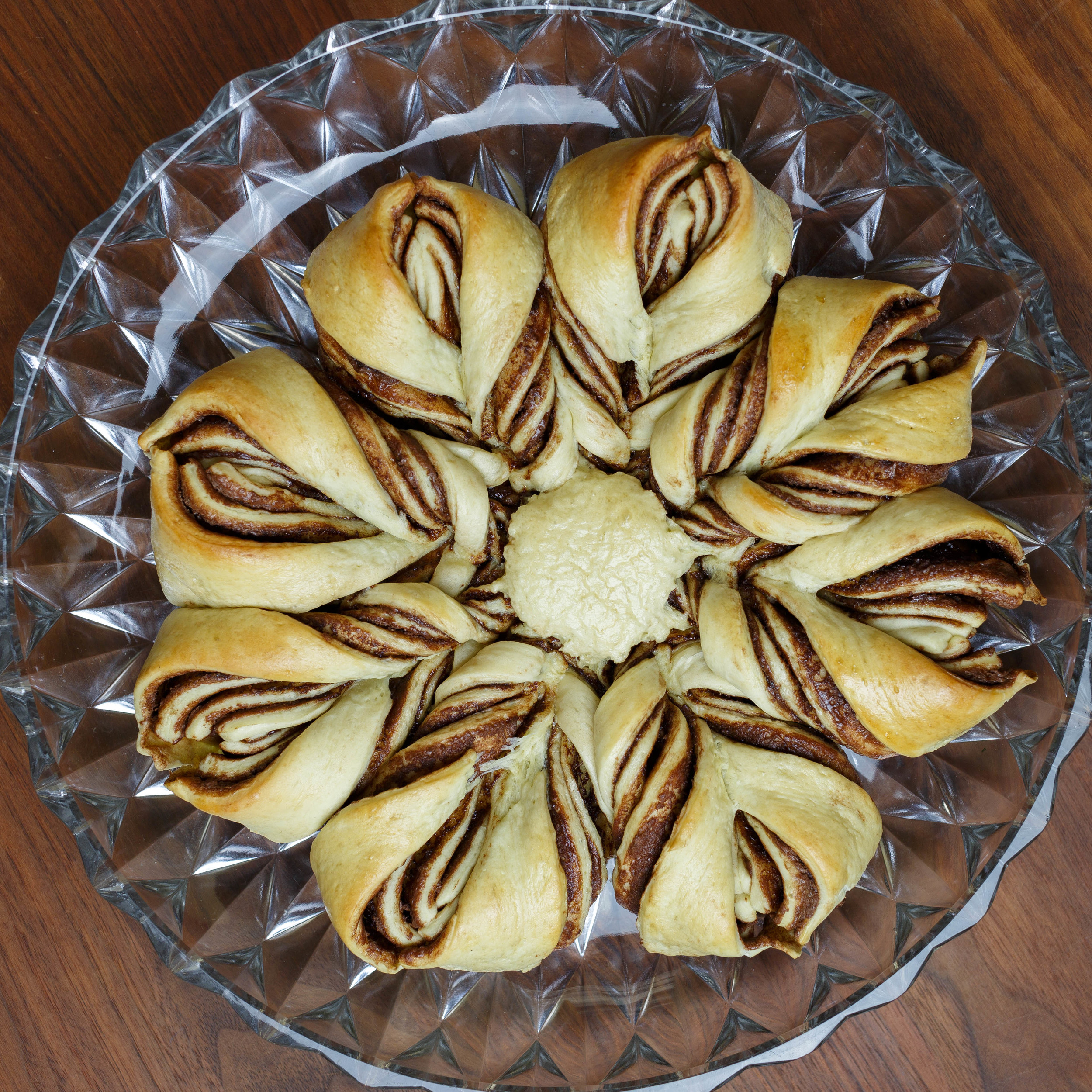
This bread is everywhere, and now it's here too. In all the commercials for Nutella, they tell you it's a healthy option at breakfast. This makes this bread ultra healthy, with the three layers of Nutella!

The bread is really fun to make and look awesome at a party. The Nutella bread reminds me of the cinnamon bread we had as children. At lunch time we'd go to the bakers shop and buy half a cinnamon bread to eat instead of the healthy lunch we brought from home. Well, fortunately it didn't happen that often.

I'll think you could make the bread with a cinnamon remonce in stead of the nutella.

Makes one 25 cm/10 inch bread.

Ingredients:

  • 450 g all-purpose flour
  • 70 g sugar
  • 35 g live yeast or 2 teaspoons dry yeast
  • 180 ml milk
  • 30 g butter,
  • 2 egg yolks, save the whites for brushing
  • 1 cup (240 ml) Nutella

Directions:

Combine flour and sugar in a bowl, and set aside.

Heat the milk in a saucepan until it’s warm, add the butter, and take the mixture of the heat, and let the butter melt in the milk. You want the milk/butter mixture to be finger-warm. Let the yeast dissolve in the milk.

Add the yeast mixture and the egg yolks to the flour, and mix until its combined. If using a stand mixer, keep mixing for 4-5 minutes on medium speed to get the dough elastic and soft. If kneading by hand, keep kneading for 10-12 minutes.

Place dough in a lightly oiled bowl. Cover bowl with plastic wrap, and place in a warm place, and sit to rise for about 2 hours, or until doubled in size.

Knead the dough to deflate, and divide the dough in 4 pieces, and form them to balls. 

On a lightly floured surface roll each dough ball to a 10 inch/25 cm discs. Place one dish on a parchment lined baking sheet, and use a plate to outline where to put the Nutella. Heat the Nutella for a few seconds in the microwave to make it easier to spread.

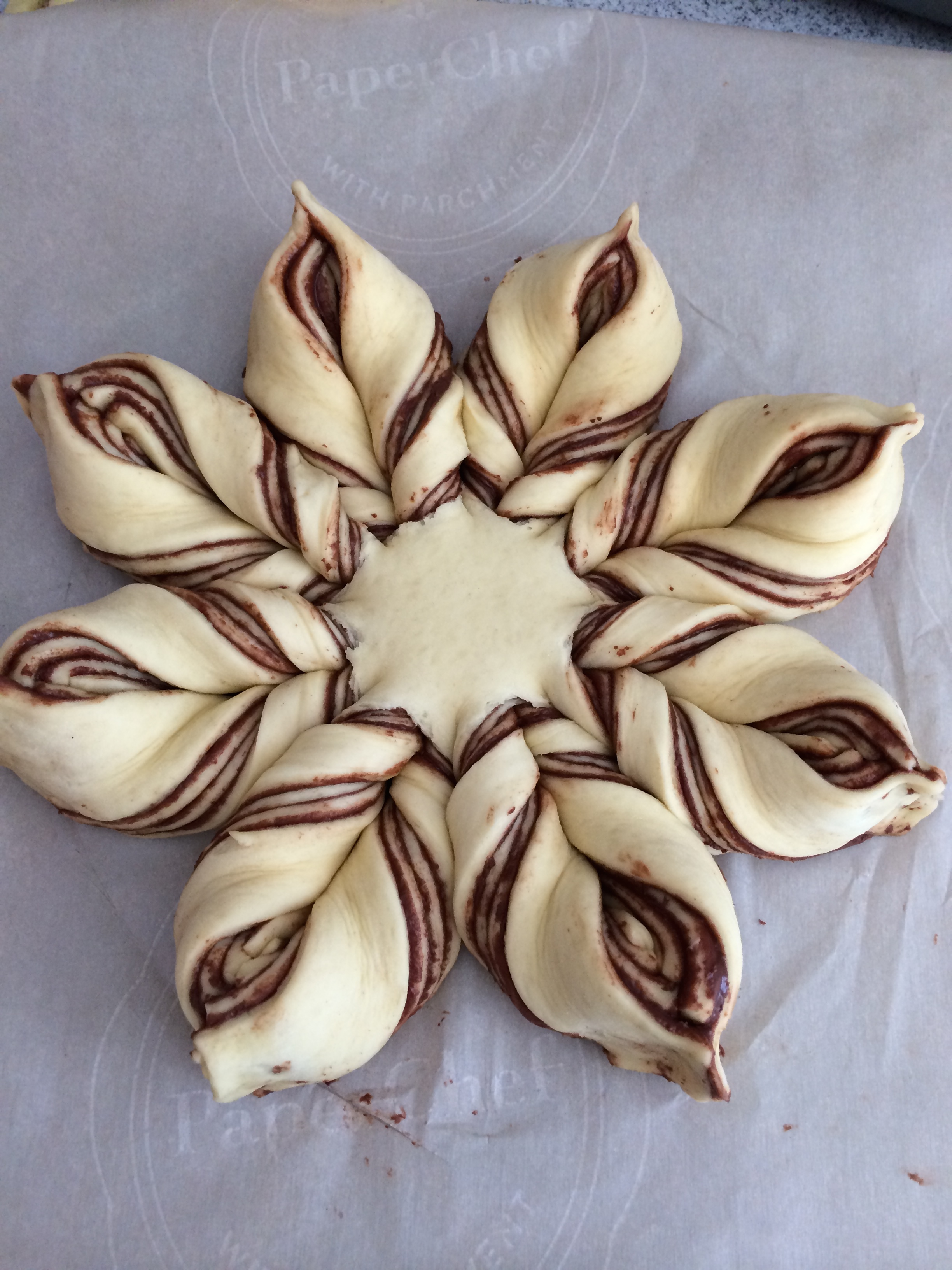
The dough braided.

The dough braided.

Spread a thin layer of Nutella on the dough. Put another disc on top, and repeat outlining and spreading Nutella. Add third dough disc and repeat with the Nutella. Put the last dough disc on top. Place the plate on top, and cut of any excess dough round the plate with a sharp knife. Remove the plate.

Place  a small cup in the middle of the dough, to mark the center. Cut the dough at 3, 6 9 and 12 o’clock and cut each quarter into 4 pieces, so you end up with 16 slices connected to the center circle.

Take 2 neighboring slices and twist them two times away from each other, connect the two in the end, and pinch them together forming a point. Do this with all the slices, and now you have a star flower formed bread.

Cover dough loosely with a damp tea towel and let rest for 20 minutes.

Preheat oven to 350°F. Brush surface of the bread with the egg whites. Bake bread for 15-20 minutes or until lightly browned.


Kiksekage - Chocolaty Biscuit Cake

Cake, Desserts, Sweets and CandyTove Balle-Pedersen3 Comments
Kiksekage - Chocolaty Biscuit Cake

Kiksekage - Chocolaty Biscuit Cake

Kiksekage is an old classic non-bake cake very popular in the 70's and 80's in Denmark. But it's not a Danish cake. It's actually a German cake called "Kalte Hund" or cold dog, and the British has a similar cake, the chocolate fridge cake.

My chocolate loving husband, asked if I could try to make a kiksekage, and I was somewhat reluctant, chocolate is not my thing, but I promised to look into kiksekage. My only experience with Kiksekage, was the one my mom made, and to be honest, I didn't care for it. Weird - I loved everything sweet back then.

A traditional kiksekage is made with coconut oil (palmin), eggs and cocoa powder, but why not make the cake with premium ingredients. It's not like good chocolate is hard to find. During my research for the perfect kiksekage, I found Lone Kjærs recipe. This one was made with condensed milk instead of eggs and she used about ⅓ of the butter other recipes called for. So I decided to go with Lone's recipe.

Ingredients:

  • 300 g dark chocolate (I used Valrhona 61%)
  • 1 can condensed milk. 400 g
  • 35 g butter
  • 1 orange, the zest of
  • about 20 squared vanilla biscuits
  • sprinkle: chopped pistachios

Directions:

Line a loaf pan (9x5 inch or 22x12 cm) with parchment paper (Spray the inside of the pan with cooking spray, so the parchment sticks to the pan, don’t spray the inside of the parchment paper). You can also use plastic wrap to line the loaf pan. Chop the chocolate coarsely and put it in a small saucepan with condensed milk and butter. Let the mixture to melt over low heat. Be careful not to burn the mixture, stir occasionally until the mixture is homogeneously, then remove the pan from the heat and mix in orange zest. Pour a thin layer of chocolate in the bottom of the pan. Add then a layer of biscuits. Continue to layer chocolate and biscuits until you have 4 layers in total, ending with a chocolate layer. Sprinkle with the chopped nuts and cover the cake with a piece of parchment paper. Store the cake in refrigerator at least 4 hours before serving.

Serving:

Flip the cake out onto a pretty platter, remove any parchment paper. Do this about 10-15 minutes before serving. Slice the cake with a sharp knife. Tip: heat the knife in hot water, to ease the cutting.

Enjoy.

Classic Fragilité Cake

Cake, DessertsTove Balle-Pedersen5 Comments
Classic Fragilité Cake

Classic Fragilité Cake

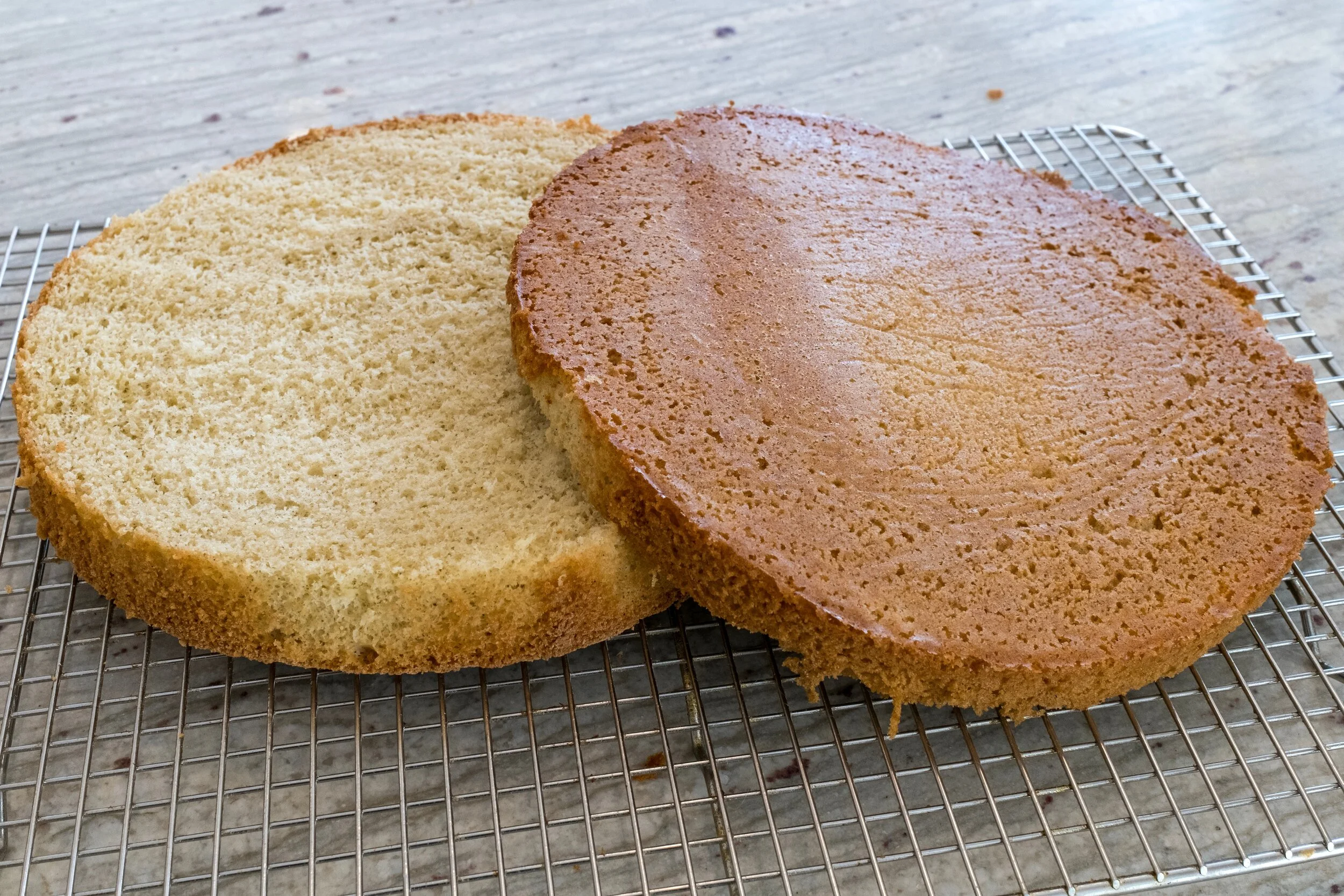
The classic fragilité cake with coffee buttercream originates from the same Danish pastry chef, Johannes Steen, who also made The Sarah Bernhardt cookie. And must originate from the beginning of the 1900s, when Denmark was very influenced by everything French. 

Fragilité means fragile, and it describes the cake well. It's made with delicate layers of crispy meringue with hazelnuts, layered with a mocha/coffee buttercream. The cake feels very light and fluffy, but don't let it fool you, it's filled with great tasting calories😋

Ingredients:

Meringue:

  • 100 g hazelnuts
  • 200 g confectionary sugar
  • 4 egg whites

Mocha buttercream:

  • 3 pasteurised  egg yolks
  • 100 g confectionary sugar
  • 150 g butter, salted and room temperature
  • 3 teaspoons unsweetened cocoa powder
  • 1,5 teaspoons instant coffee 

Directions:

Preheat the oven for 400℉ (200℃).

Chop the hazelnuts. I used the mini chopper that came with my immersion blender, and ended up with a coarse hazelnut flour. Mix the hazelnuts with half of the confectionary sugar.

Whip the egg whites, in a stand mixer, until you have soft peaks. Add the sugar and keep whipping until you have a shiny meringue with stiff peaks. You should be able to turn the bowl upside down.

Fold the hazelnut mixture in.

Line a baking pan with parchment paper, spray it and sprinkle with sugar. I used a 9" x 13" (20x30 cm) pan.  

Spread the meringue evenly in the pan, and level of the top.

Bake the meringue for 2 minutes at 400℉ (200℃), then lower the temperature to 305℉ (150℃) and keep on baking foe another 40 minutes.

Buttercream:

Mix all the ingredients in a bowl, and whip the buttercream until thick and fluffy over a double boiler. I used a saucepan with very hot water, and placed my bowl on top of that. I didn't have it on the stove. It takes some time to get the buttercream nice and fluffy.


Cut the meringue in two, and place the one part on a cake stand, spread all the buttercream  on it in an even layer. Put the other half of the meringue on top. 

Decorate the cake with some melted chocolate or a sprinkle of confectionary sugar.

Sarah Bernhardt Cookies with Liquorice

Cake, Liquorice, Sweets and CandyTove Balle-PedersenComment
Sarah Bernhardt Cookies with Liquorice

Sarah Bernhardt Cookies with Liquorice

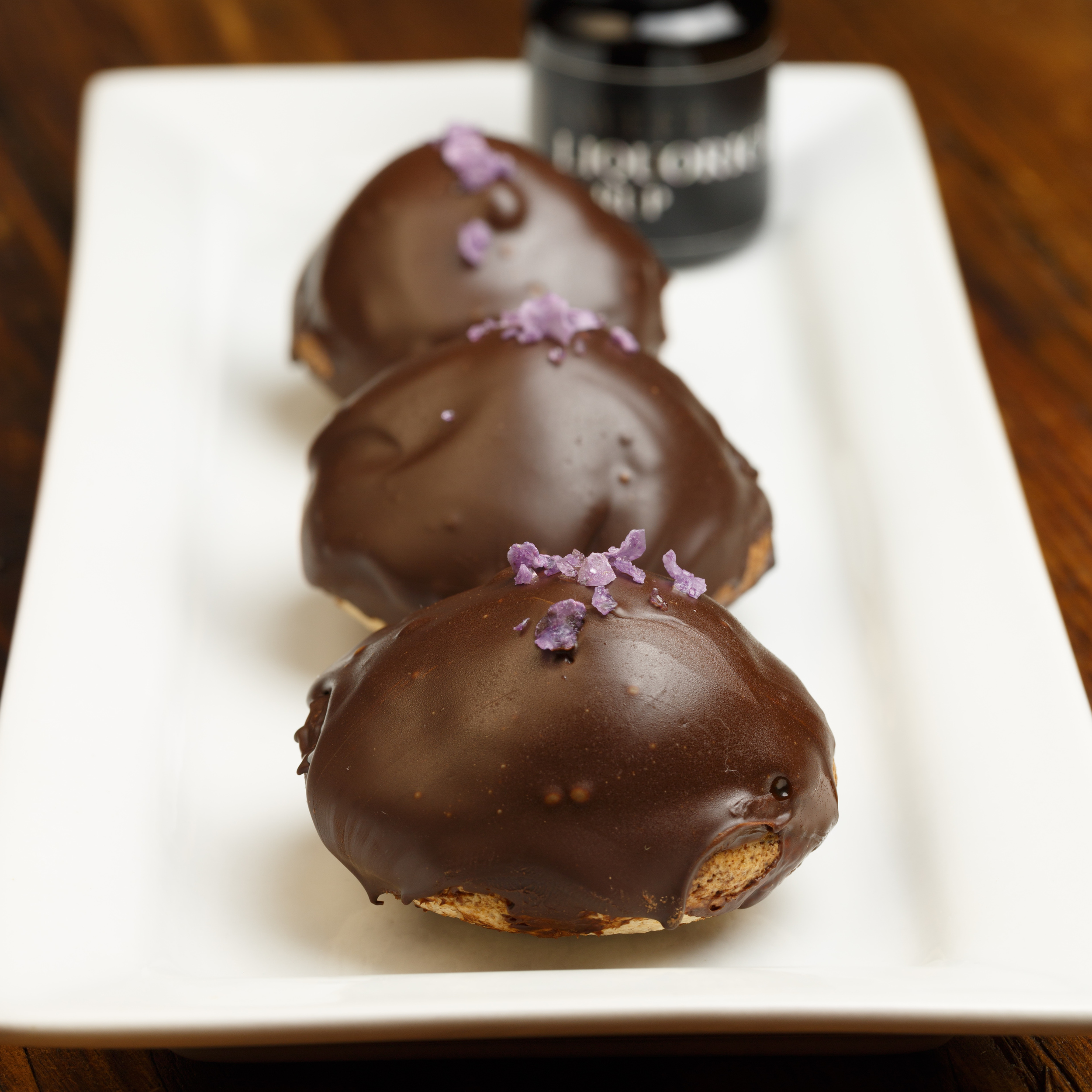
Sarah Bernhardt cakes originates to 1911, where a Copenhagen pastry chef (Johannes Steen) created this cake as a tribute to the world-famous french actress, Sarah Bernhardt, when she came to Copenhagen to mark the publication of her memoirs in Danish. 

The cake is a Danish makron cookie topped with a ganache covered with dark chocolate and decorated with candied violets.

I use the traditional recipe from "Kager & konfekt fra Kransekagehuset" with a few modifications.

Makes about 12 cakes.

Ingredients:

Cakes:

  • 12 Danish makroner
  • 150 g dark chokolate min. 60% cocoa, (a good one, I use Valrhona)
  • 100 g milk chocolate (a good one, I use Valrhona)
  • 1⅔ cup (4 dl) heavy whipping cream (use an organic with only milk as ingredient)
  • 4 teaspoons sweet liquorice syrup
  • 2 teaspoons salty liquorice syrup

Coating:

  • 200 g min. 60% cocoa, (a good one, I use Valrhona)
  • candied violets

Directions:

Ganache:

Chop the chocolate fine. Bring the cream to a boil in a saucepan, remove the pan from the heat and let the cream cool down to 60℃. Add the chocolate while stirring, and continue to stir until the chocolate is completely melted. Stir in the liquorice sirups. You should now have a dark shiny chocolate sauce/ganache. Cool the ganache in the refrigerator overnight. 

The next day whip the ganache with a stand mixer, be careful not to over mix the ganache, this will cause the ganache to curl and become grainy.

Put the ganache into a pastry bag (decoration bag) with a plain round tip. Pipe the ganache on the back side on the makron cookie as a peak. Transfer to freezer until very firm, about 1 hour. (This is where I made a mistake. My cookies were in the freezer overnight, and this made the filling to cold, and caused the condensation on the covered cookies).

Tempering dark chocolate:

Chop the chocolate finely, set just under ⅓ of the chocolate aside, and add the rest into a stainless steel bowl. Set the bowl on to a saucepan with very hot water. Let the chocolate melt while stirring. When the chocolate reaches 122℉ (50℃), take the bowl off the hot water. While stirring let the chocolate cool until it reaches 95℉ (35℃), add the rest of the chopped chocolate and stir vigorously until its all melted. When the chocolate reaches 82-84℉ (28-29℃) put the bowl over the hot water again, and heat the chocolate to 88℉ (31℃), and now its ready to use for coating.

Remove cookies from freezer. Working quickly so that the filling doesn't melt, use a fork to hold cookie above bowl of chocolate, and spoon melted chocolate over cookie. Place filling-side up on cooling rack placed over a baking sheet, sprinkle the candied violets on the tip of the cookie. Refrigerate until ready to serve.