Sweet • Sour • Savory

Food blog on scandinavian style food done right.

Spicy Meatballs in Spicy Tomato Sauce

Dinner, Lamb, MeatsTove Balle-PedersenComment
Spicy Meatballs in Spicy Tomato Sauce

Spicy Meatballs in Spicy Tomato Sauce

These spicy lamb meatballs in a tomato-curry are so tasty and flavorful, and I really love it. You would think, that the dish is burning hot when you start adding all the chilies, but somehow the chilies mellow out and just adds a nice heat. Of course I removed all the seeds, but serranos usually pack some heat.

I really like to drizzle the juice from the lemon over the dish when plated. The tanginess brightens the flavor profile of the dish.

For at low calorie version, serve the meatballs over cauliflower rice.

Serves 4

Ingredients:

Meatballs:

  • 450 g ground lamb

  • 1 tablespoon grated ginger

  • 1 garlic clove

  • 2 Serrano chilies

  • 1 teaspoon garam masala

  • 35 g (1 dl) plain breadcrumbs

  • ¾ teaspoon salt

  • 1 egg

Purée:

  • 4 tomatoes

  • 4 Serrano chilies

  • 1 inch (2½ cm) fresh ginger

Sauce:

  • 2 teaspoons grape seed oil

  • 2 teaspoons cumin

  • ¾ teaspoon turmeric

  • 2 teaspoons paprika

  • ⅛ cup almond slivers

  • salt to taste

Topping:

  • Serrano chili

  • lemon

Direction:

Meatballs:

Peel and grate ginger and garlic. Cut the chilies in half, length-wise and remove the seeds with a spoon. Dice the chilies. Mix meat, garlic, ginger, chili, egg, garam masala and breadcrumbs in a bowl, season with salt. Form about 12 round meatballs with your hands.

Purée:

Cut the chilies in half, length-wise and remove the seeds with a spoon, peel the ginger, and roughly chop it up. Cut the tomatoes in half. Add all the ingredients in a blender, and purée until smooth.

Sauce:

Heat the oil in a large sauté pan and fry cumin, turmeric, paprika and almonds for about 20-30 seconds until fragrant. Add the purée and bring it to a simmer while stirring. Let the sauce simmer for about 15 minutes. Place the meatballs in the sauce and simmer them in the sauce for another 15 minutes. Add more water if necessary. 

Finish of the dish with slices of chili and lemon wedges. Serve the meatballs over rice.

Enjoy!

Fried beef tartare or "Parisian steak" - Pariserbøf

Beef, Dinner, LunchTove Balle-Pedersen3 Comments
Fried Beef Tartare or "Parisian Steak" - Pariserbøf

Fried Beef Tartare or "Parisian Steak" - Pariserbøf

Pariserbøf has nothing to do with Paris or France. It's a traditional danish dish with a fancy name. Maybe the white bread it's served on is why it's called Pariserbøf. In Denmark the soft white bread is called French bread. 

Pariserbøf is a patty of lean ground beef on a slice of white bread, panfried and served with raw onion, pickled beets, horseradish, capers, danish pickles and a raw egg yolk on the top.

Danish pickles is vegetables (cauliflower, onion, pickling cucumbers and carrots) pickled in a mustard vinegar sauce. Much like the english Piccalilli.

Pariserbøf is normally on lunch menus in danish restaurants, but it can easily be served as dinner.

Disclaimer: This sauce is made with raw eggs. I recommend using pasteurized eggs. This would minimize the risk of getting Salmonella food poisoning. You can find pasteurized eggs in some supermarkets here in California, on safeeggs.com you can see where to find them in your neighborhood.  In Denmark you'll find it right next to regular eggs. For tips and information on how to handle eggs, check out FDA’s website. The Danish version of FDA,  Fødevarestyrelsen also has advisory on eggs. 

Serves 2

Ingredients: 

  • 2 slices of good bread, like a good sourdough bread

  • ½ red onion

  • 3 tablespoon capers

  • 4 tablespoon pickled beets, diced

  • 2-6 teaspoon horseradish, freshly grated

  • 2-3 tablespoons danish pickles or Piccalilli

  • 2 egg yolks

  • salt & pepper

  • butter for frying

Patties (4 pieces):

  • 200 g very lean ground beef (freshly ground)

  • 1 teaspoon good mustard like grey poupon country dijon

  • 1 teaspoon capers, finely chopped

  • 1 egg

  • salt and pepper

Directions: 

Dice the pickled beets, grate the horseradish, drain the capers, slice and chop the onions and separate the yolk from the egg white.  

Mix the ingredients for the patties, and form 4, not to thick, patties slightly larger than the bread slices. Put the patty on top of the bread, make sure the patty will stay on the bread. Season with salt and pepper. The extra patties, can be fried and saved for lunch the next day.   

Add a good amount of butter to a skillet and fry the pariserbøf patty-side down first until golden brown. Turn to fry the bread side until crisp. Pariserbøf is served medium to well done. If you use pasteurized eggs or no eggs, the pariserbøf can be served medium rare.

Serve right away with all the toppings.

Enjoy a pariserbøf with a good cold beer.

Brunsviger cake

Cake, Brunch, DessertsTove Balle-Pedersen3 Comments

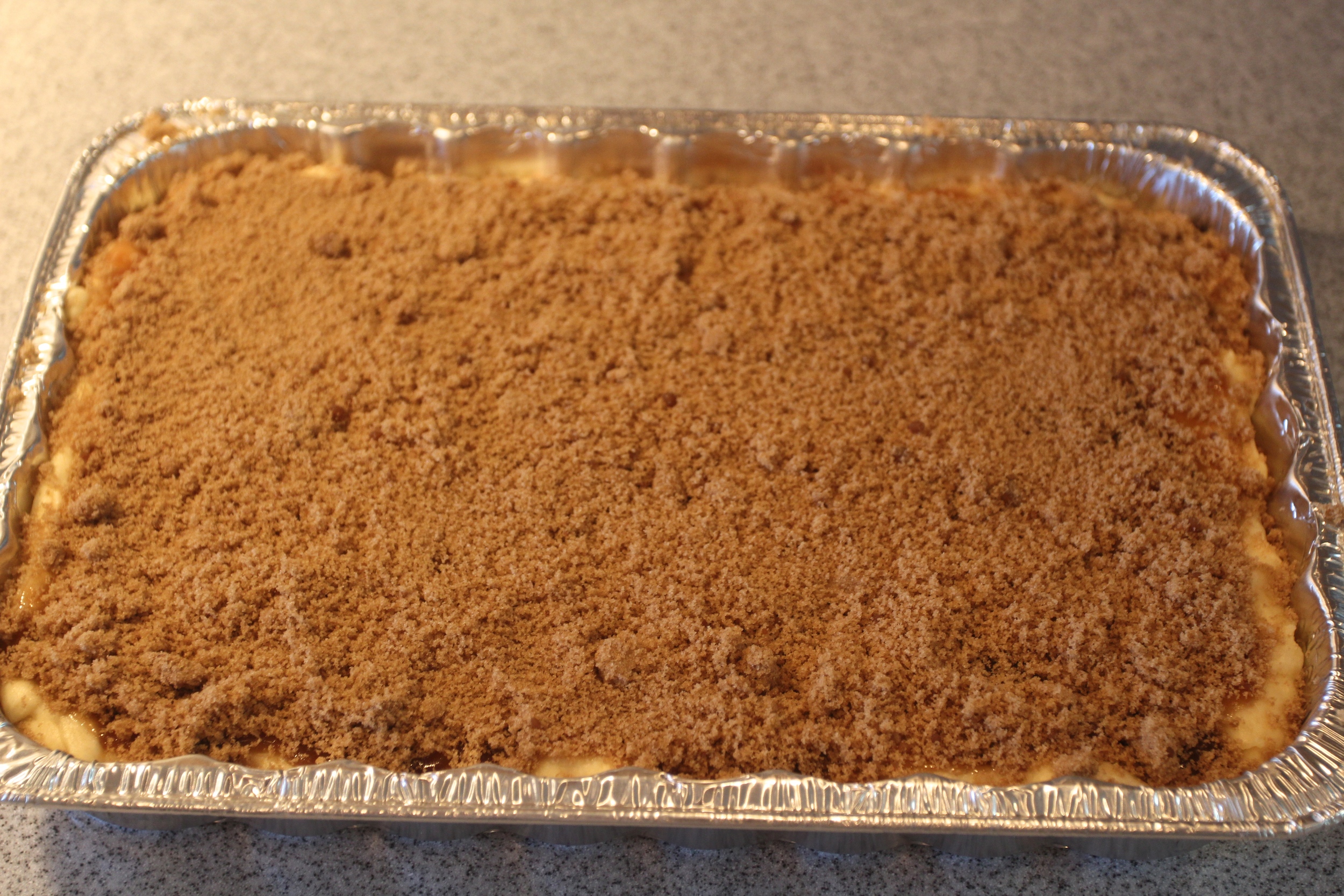
Brunsviger

Happy 1 year Sweet•Sour•Savory


It has been a year already, it went by so fast. Looking back, I felt very exposed when I posted my very first post, like all eyes in the world would be on me. The fear dissipated, when reality set in. Nobody knew I was here, I had to work on getting people to find my blog.

I am very grateful to all the people that stops by, I'm really happy that you like my blog, and I hope you get inspiration for cooking and baking. I try to keep to my Danish roots in my cooking style, while learning and trying a lot of different cuisines.

Thank you for stopping by on my 1 year anniversary with Sweet•Sour•Savory

- o -

This cake is a traditional cake known from the island of Funen, or Fyn. I was once told that people from Funen eat this cake on top of a morning roll with butter - whereas the rest of the country eat this cake as a pastry or as a regular cake. 

During my lifetime, I've seen many different takes on the Brunsviger. Some think it's a cinnamon cake, some cakes lack filling and taste. This cake is all about the filling, otherwise it's just some brioche bread.

This recipe is not the old original from way back when. It's adapted from the different recipes I made through the years. A friend of mine told me that the secret to the best brunsviger is to add syrup to the filling. And I have to agree with her. This is by far the best brunsviger I have had in my life. 

Ingredients:

Dough: 

  • 500 g all-purose flour
  • 200 g butter (salted and room temperature)
  • 50 g live yeast (or 4 teaspoons dry Yeast)
  • 2 dl non-fat milk
  • 2 eggs
  • 50 g sugar
  • a pinch of salt

Filling: 

  • 200 g butter (salted)
  • 450 g dark brown sugar
  • 2 teaspoons thick syrup

Directions: 

    Dough:

    Heat the milk till finger warm and combine it with the yeast and half of the sugar. Let stand until foamy, about 5 minutes. 

    In the meantime mix the flour and butter in a stand mixer, until the butter is fully mixed in. Add the sugar, milk/yeast mixture, salt and eggs to the flour. Mix until the dough is shiny and not to sticky. Add a little more flour if its necessary.

    Place the dough in a buttered springform, I would use a bigger pan next time. The brunsviger came out to high for my taste. Let dough rise for 20 - 25 minutes. 

    The dough

    The dough

    Ready for the oven.

    Ready for the oven.

    Poke your fingers into the dough, to make holes for the filling to rest in. Make sure to make a lot of holes.

    Filling:

    Melt the butter in a saucepan add ⅔ of the brown sugar and the syrup, mix it well. Spread the filling over the dough, carefully not to get in between the dough and the pan. Sprinkle the rest of the brown sugar over the cake. 

    Bake the cake for 20-25 minutes at 400°F.

    Let the cake cool in the pan. 

    Notes:

    The brunsviger can be made in advance. It freezes well after adding the filling. Defrost in the counter and let it rise before baking.

    If you like more filling make 1½ time the amount, for a more sticky cake.


    Peach Galette with Liquorice Whipped Cream

    Cake, Desserts, LiquoriceTove Balle-Pedersen2 Comments
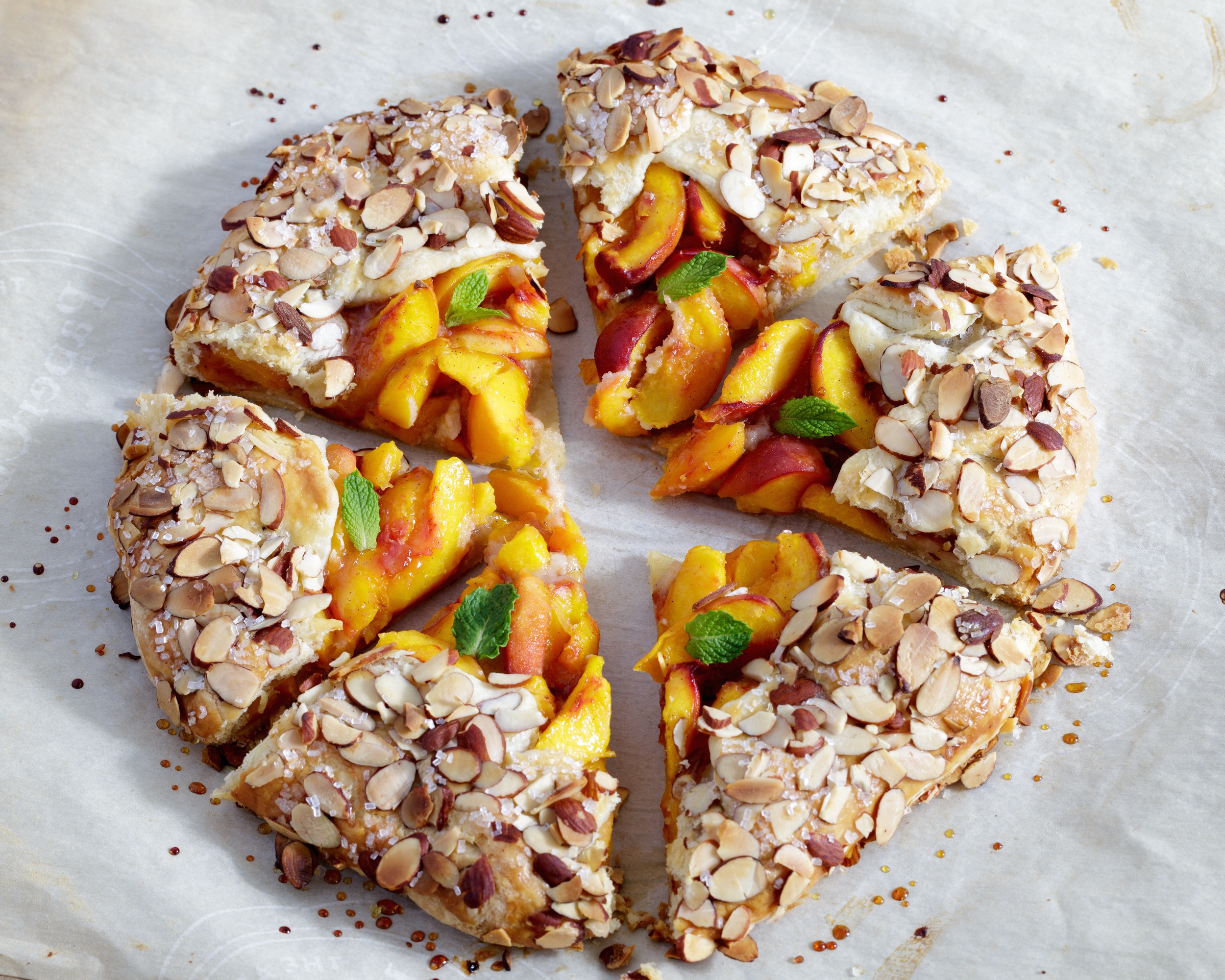
    Peach Galette

    Peach Galette

    We finally got some peaches from our three. The squirrels have been eating all the peaches for the last 5 years. But for the first year the humans are victorious! Well, to be honest we shared the peaches, we got about 20 small peaches, the squirrels got the rest.

    I wanted to make a peach pie, but didn't have enough, so I had to scale down. So I had to try to make the more rustic peach galette. And Oh Boy, it was good. I'm definitely going to make this again.

    Ingredients:

    Crust:

    Makes enough for two large galettes

    • 375 g (4 cups) sifted all-purpose flour
    • 1 tablespoon sugar
    • ½ teaspoon salt
    • 1 large egg, lightly beaten
    • 120 ml (½ cup) ice cold water
    • 340 g cold salted butter, cut into small pieces
    • ⅓ cup sliced almonds + extra sugar for sprinkling
    • egg wash (1 egg + a few drops of water, beaten together)

    Filling:

    • 4 large peaches, sliced into slices
    • 1½ tablespoons cornstarch
    • 1 ½ tablespoons sugar
    • 30 g marzipan
    • ½ teaspoon vanilla paste
    • fresh mint for garnish

    Liquorice whipped cream:

    Directions:

    Crust:

    Add the flour, sugar and salt to a food processor and pulse just until combined. Add the cold butter pieces into the food processor and pulse until small coarse crumbs remain. Whisk mix  egg and water together. Drizzle the water/egg mixture over the flour and pulse again until the dough just comes together.

    Divide the dough in two and wrap the dough disks separately in plastic wrap. Refrigerate the dough for 30 minutes. 

    If you only make on galette, the dough will keep for about 5-7 days in the refrigerator, or you can freeze it.

    After 30 minutes, preheat the oven to 400 degrees F.

    Filling:

    Add the sliced peaches to a bowl. Sprinkle the peaches with cornstarch, sugar and vanilla paste, and toss it all together and let the filling sit for about 10 minutes.

    Remove one of the crusts from the fridge.

    Roll one of the pie crusts into a ¼ inch thick disk. It's not important to shape the disk perfectly, you want it to look kinda rustic.

    Place the dough on a parchment paper lined baking sheet. Spread the grated marzipan in the center, leaving a 2-inch+ border of crust. Layer the peaches on top and fold border of the crust over the peaches. Brush the crust with egg wash, and sprinkle the slivered almonds and some sugar on the crust, and press it into the crust. Bake the galette until the crust and almonds are golden, about 40 to 45 minutes. 

    Liquorice whipped cream:

    Whip the heavy whipping cream until soft peaks. Fold in the liquorice powder.

    Sprinkle with fresh mint leaves on the galette before serving. Serve the galette with liquorice whipped cream or a small scoop of vanilla ice cream.

    Peach Galette with Liquorice Whipped Cream

    Peach Galette with Liquorice Whipped Cream


    Enjoy!

    Levain Bread

    Bread, Breakfast, BrunchTove Balle-Pedersen2 Comments
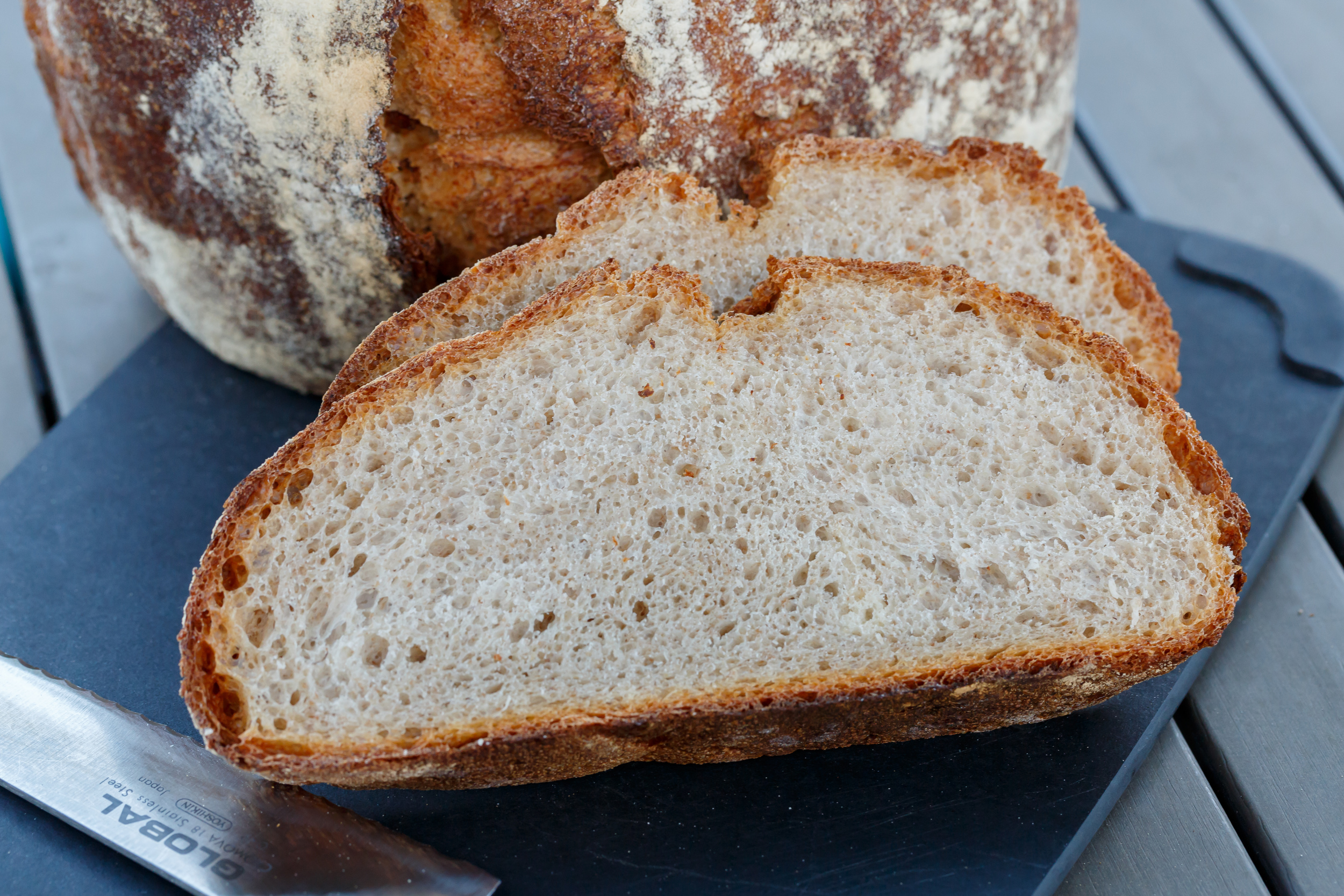
    Levain Bread

    Levain Bread

    Levain means wild yeast in French, but is also covers the use of sourdough. A bread kan be called a Levain if the amount of compressed yeast (live yeast) doesn't exceeds 0.2%

    This Levain is more sour than the breads I normally bake, but I really like the sourness with the rye flour. This bread is a good bread for artisan cheeses or as a side for dinner.

    This bread came about by mistake. I was making the leaven for the basic country bread a la Tartine, but I used rye flour instead of whole wheat flour by mistake. So instead of discarding the leaven, I came up with this bread.

    Makes 2 breads

    Ingredients:

    Leaven:

    • about 2 tablespoons sourdough (the starter you keep in the refrigerator and feed every other week) 
    • 200 g water (78℉)
    • 70 g all-purpose flour
    • 65 g rye flour

    Bread:

    • 600 g water
    • 10 g live yeast (¾ teaspoon dry yeast)
    • 3½ dl (275 g) leaven 
    • 3 dl (200 g) rye flour 
    • 12 dl (840 g )all-purpose flour
    • 1½ tablespoons salt

    Directions:

    Leaven:

    Make the leaven the night before you want to bake the bread. If you like a more sour note to your bread, make the leaven in the morning, and after about 8 hours fermentation, put the leaven in the refrigerator until next morning.

    Mix all the ingredients well in a bowl, and let the leaven rest covered on the counter for 8-10 hours. To test leaven's readiness, drop a spoonful into a bowl of room-temperature water. If it sinks, it is not ready and needs more time to ferment and ripen. If it floats, it's ready to use. As it develops, the smell will change from ripe and sour to sweet and pleasantly fermented.

    This time I just used 275 g of the sourdough 8 hours after the feeding instead of making the leaven.

    Bread:

    Next morning:

    In a large bowl, pour in the water, yeast, sourdough, and rye flour, mix it well. Add salt and  the all-purpose flour a little at a time, until you have a firm but slightly sticky dough. You might not need all the flour.

    I always knead my doughs in my stand mixer, and I knead the dough for about 8-10 minutes until the dough is a bit shiny and elastic. 

    Cover the bowl with a clean kitchen towel and let the dough rise for about 4 hours.

    Pour the dough out on a non-floured kitchen table, divide the dough in 2 and shape them into rounds.

    Line 2 baskets with clean kitchen towels, generously dusted with flour. Transfer each round to a basket, smooth side down and let to rest, covered, at room temperature, about 3 hours before baking.

    Baking the Bread:

    Twenty minutes before you are ready to bake the bread, preheat oven and dutch/french oven to 500 degrees, with rack in lowest position.

    Gently flip one bread into heated dutch/french oven. Score top twice using a razor blade matfer lame. Cover with lid. Return to oven, and reduce oven temperature to 450℉. Bake for 20 minutes.

    Remove lid and continue to bake until crust is deep golden brown, 20 to 25 minutes more.

    Transfer loaf to a wire rack, and let it cool completely.

    To bake the second loaf, raise oven temperature to 500 degrees, wipe out dutch/french oven with a dry kitchen towel, and reheat with lid for 10 minutes.

    Enjoy!

    This post has been submitted to the Yeast Spotting Site.